Fake virus warning sells annual cleanup plan
A support imposter claims the device has severe errors and sells unnecessary cleanup software or a warranty plan.
First reported May 7, 2026 · Updated May 27, 2026
⚡ The 30-second version
How it arrives: A pop-up, call, or email saying your computer is infected.
If you see any of these…
- Microsoft, Apple, or 'your provider' contacting you first — they never do
- Wants remote access to your computer to 'fix' it
- A toll-free number in a scary full-screen warning
…do this now
- Hang up or close the browser (force-quit is fine). Nothing is actually infected.
- Never install software or grant remote access to a cold caller.
- If they got access: disconnect from the internet, change passwords from another device, call your bank.
How this scam works
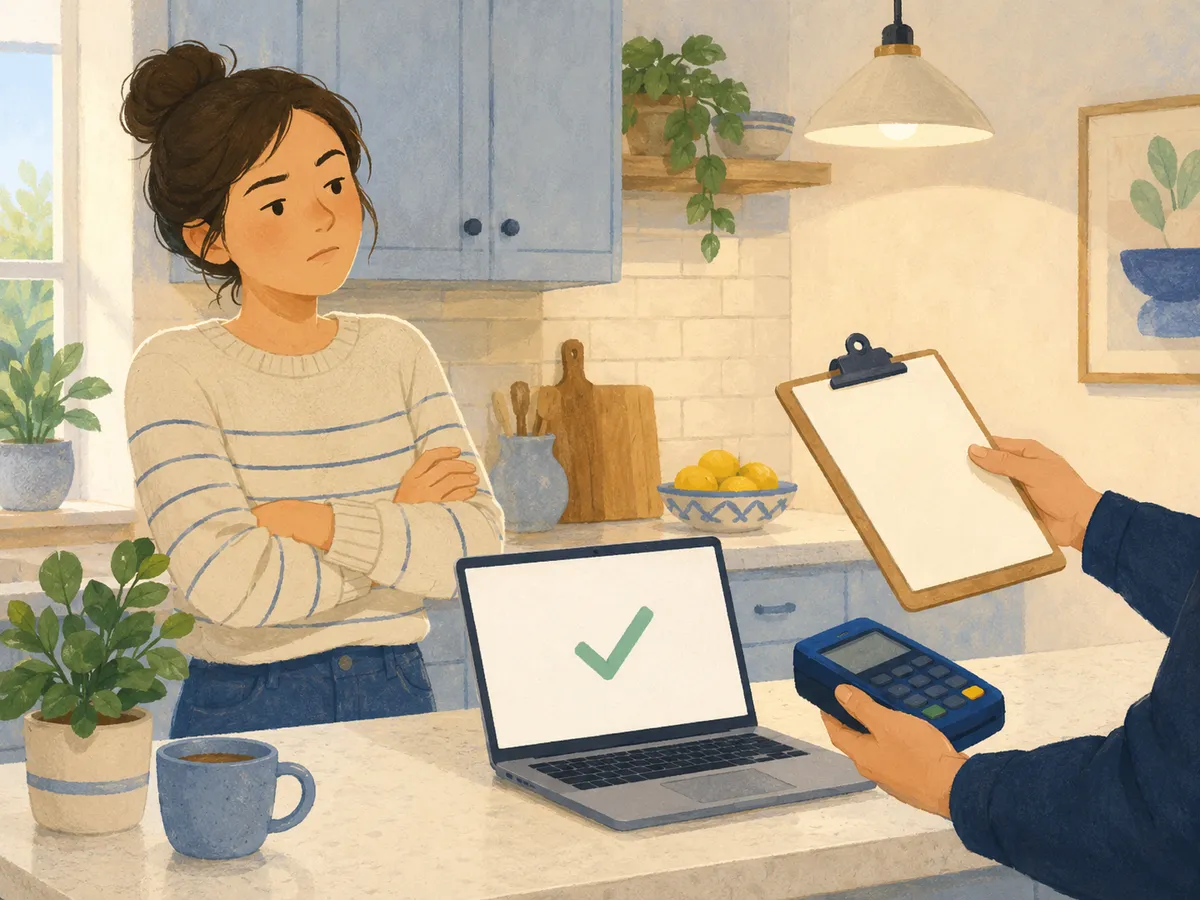
The warning appeared through a call or pop-up. The target was told the computer showed error messages, viruses, or signs of imminent data loss. The supposed technician offered to fix the issue by installing software and selling a yearly support plan. The scan is theater. Tech support imposters often run ordinary system tools, highlight harmless logs, and present them as proof of infection. The sale may include a one-time cleanup fee, subscription warranty, or security package. In other cases, the remote session is used to install malware or collect payment credentials. The claim should be tested by origin. Did you contact the company through a verified channel, or did the warning find you first? Unexpected support contact is the warning sign. Real security alerts do not require payment through gift cards, wire transfers, payment apps, or cryptocurrency. End the session and contact a trusted local technician if needed.
If this happened to you
First, take a breath. Being targeted is not your fault — these scammers do this all day, every day, and they are very good at it. Here's what to do next:
- Stop contact and don't send any more money or information.
- If money or an account is involved, call your bank or card company right away.
- Report it — it helps protect others:tell us here and file with theFTC ↗.
- Tell someone you trust. Talking about it openly takes away the scammer's biggest weapon: shame.
If you're feeling embarrassed or shaken, that's a completely normal reaction — and it passes. You're not alone, and help is free:
- AARP Fraud Watch Helpline: 877-908-3360 — free to talk it through, even if you're not a member.
- Recover your identity: IdentityTheft.gov ↗ — a free, step-by-step plan from the FTC.
Know someone who might fall for this?
Take two seconds to send it to them — forwarding a scam to the people you love is the easiest way to stop one before it starts.
We compile entries from the public source linked in the case facts. We don't publish private screenshots or message threads. If you report a new instance, please keep the original message, sender address, phone number, links, and any payment request.
Similar scams to know
See all Tech support →
Browser hijack freezes tab with ransomware warning
A malicious page locks the browser view, claims data will be destroyed, and routes the target to a fake support number.

Apple security call asks for remote access
A caller says Apple found malware on the device and asks the target to install a remote-control tool.

Microsoft-style popup locks browser and lists support number
A full-screen browser alert claims the computer is infected and tells the target to call a fake support line.