Guide
The Gift Card Rule: One Sentence That Beats Half of All Scams
By ScamCapital · Jun 9, 2026 · 4 min read
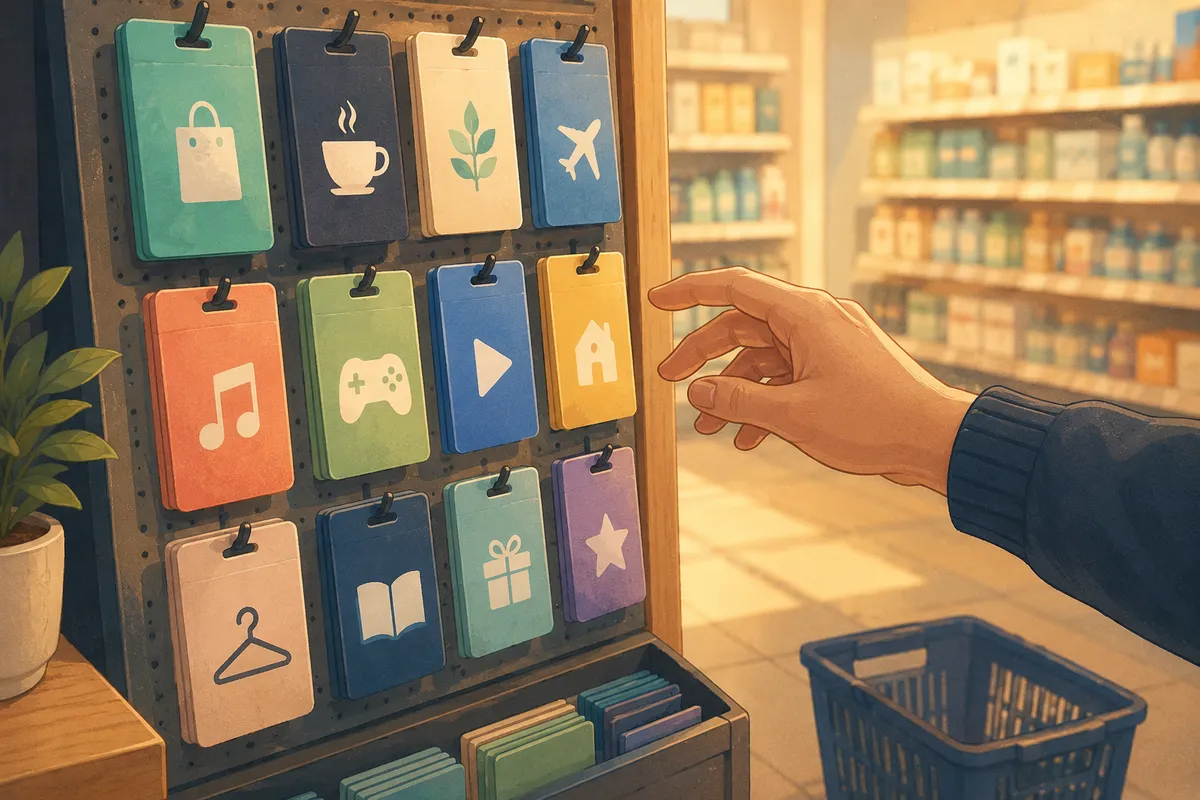
If you remember exactly one thing from this entire site, make it this sentence:
Gift cards are for gifts. Nobody legitimate accepts them as payment. Ever.
Not the IRS. Not your utility company. Not Microsoft, your bank, a bail bondsman, a court, Publishers Clearing House, or the police. There is no exception, no special case, no “new payment system.” If anyone — on the phone, by text, by email — tells you to pay with gift cards, you are talking to a scammer. The conversation can end right there.
Why scammers love gift cards
Three reasons, and they’re worth understanding because they explain a lot about how scams work:
- They’re untraceable. Once a scammer has the numbers off the back, the money moves through resale networks in minutes. There’s no account to freeze, no wire to recall.
- They’re irreversible. Your bank can dispute a card charge. Nobody can claw back a redeemed gift card. The “payment” is final the moment you read the digits out loud.
- They’re everywhere. Every grocery store and pharmacy has a rack of them. The scammer can keep you on the phone and walk you through the whole purchase — and they do, talking targets through checkout lines step by step, even coaching them on what to say if a cashier asks questions.
That last detail is worth sitting with: cashiers are now trained to gently ask about large gift card purchases because this scam is so common. If a stranger on the phone has you buying gift cards and is telling you what to say to the cashier, that’s not a payment. That’s a heist with your help.
What it looks like in the wild
The gift card demand is the ending of many different scams — the stories vary, the payment demand doesn’t:
- “This is the IRS. You owe back taxes and will be arrested today unless you pay.” Government agencies send letters. They do not take Apple gift cards.
- “Grandma, I’m in jail and I’m so embarrassed — please just get the cards and don’t tell Mom.” Real bail is paid through a court or a licensed bondsman, never with cards from a pharmacy.
- “Your computer is infected. Our technician can fix it for $300 in gift cards.” No real tech company on earth bills this way.
- “You’ve won! You just need to pay the fees first.” Real prizes never charge admission, and they certainly don’t charge it in Google Play cards.
- “This is your electric company. Your power will be cut within the hour.” Utilities have billing departments, payment plans, and shutoff notices — by mail, with dates on them.
Different costumes, same script. The moment gift cards enter the conversation, the costume doesn’t matter anymore.
What to say — out loud
The power of this rule is that it requires no judgment call in the moment. You don’t have to figure out whether the IRS story is plausible or whether that really might be your grandson. You only have to hear the words “gift card” and respond:
“Nobody real takes gift cards. I’m hanging up now.”
Then hang up. You don’t owe a scammer a polite exit.
If it already happened
No shame — this script is run thousands of times a day precisely because it works on smart, careful people. Move fast:
- Keep the cards and receipts. They’re evidence, and occasionally a card isn’t fully drained yet.
- Call the gift card company immediately (the number is on the back). Some can freeze remaining balances; some have fraud teams that occasionally refund. Speed matters most here — minutes, not days.
- Report it at reportfraud.ftc.gov — reports are what get these operations investigated.
- Tell someone you trust. Scams survive on silence; saying it out loud is how families learn the pattern.
Then forward this article to the person in your life most likely to get that call. One sentence, remembered at the right moment, is the whole defense.
Targeted by something like this? Report it to us — it becomes a warning for the next family.
ScamCapital is free to use. Some links to tools we recommend are referral links — if you sign up, we may earn a small commission at no extra cost to you. We only recommend tools we'd hand to our own family.